- Home
- Common washer problems
Common Washer Problems and How We Repair Them
Common washing machine problems, each with its own page: what the symptom means, which part is behind it, and how WRFW repairs it at your home.
Every washer fault a Fort Worth home calls about lands in one of nine symptoms. Pick the one your machine is showing and the page for that symptom tells you what to check before you call, what the technician will find, and how the repair is done.
- 9 washer problems, each with its own repair page
- Every washer brand, front load and top load
- Repair only, at your home in Fort Worth, TX
- Emergency repair available

What are common problems with washing machines?
The common problems with washing machines are a drum that will not drain, a drum that will not spin, water on the floor, a machine that will not start, a cycle that stops part way, a drum that will not fill, a bad smell, a machine that shakes on spin, and an error code on the display. Those nine symptoms cover almost every washer repair call WRFW takes in Fort Worth, and each one points to a short list of parts. A drain fault is a filter or a pump. A spin fault is a belt, a coupler, a lock or a sensor. A leak is a hose, a boot, a pump or a seal. The symptom pages below carry the full list for each, the checks to do before you call, and the repair.
Your Local Washer Repair Partner in Fort Worth
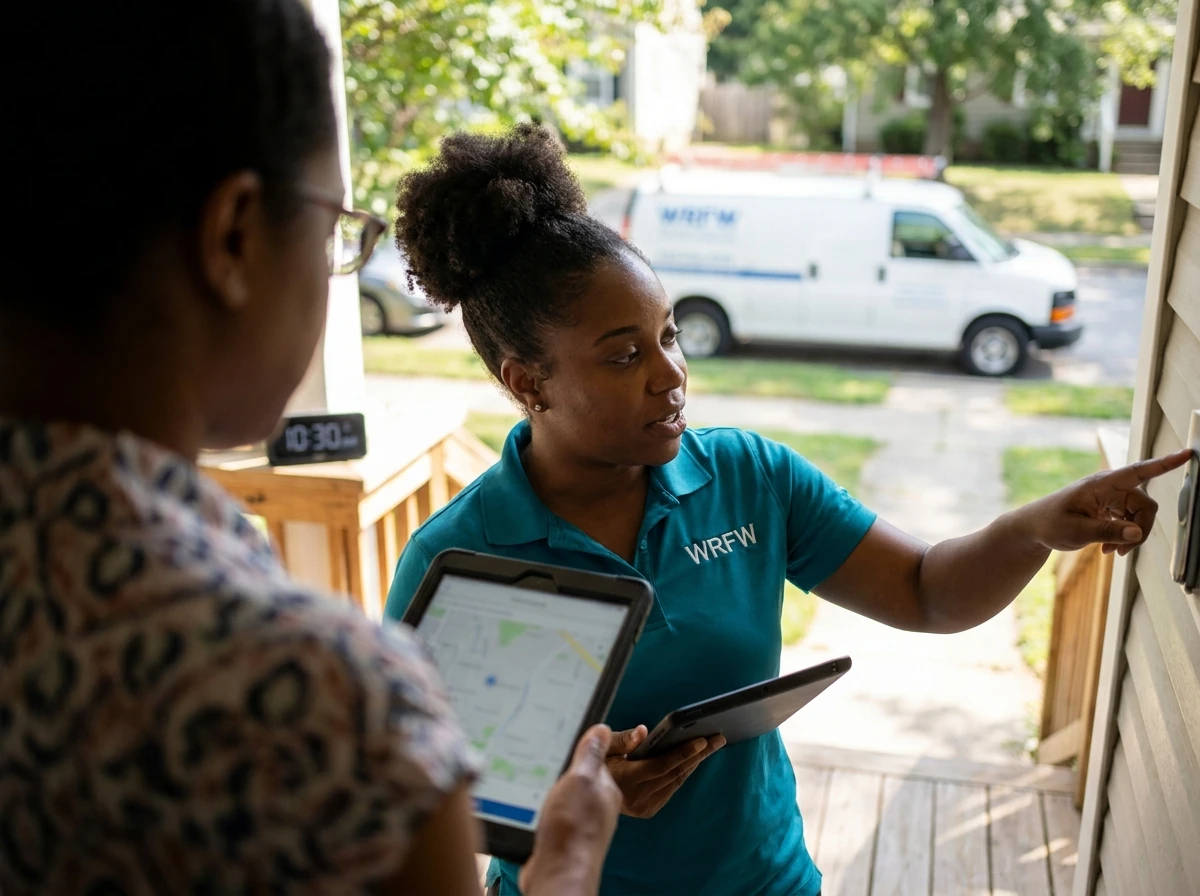
WRFW is an independent washer and dryer repair company based in Fort Worth. Our technicians live and work here, so the person who comes to your door knows the water, the houses and the machines this city runs. The fault is found on your machine, in your laundry room, and you decide before any part is fitted.
- Locally owned & operated
- Washers & dryers only, every brand
- Diagnosed on the machine, not by phone
- Front load, top load, stackable & commercial
- You decide before the work starts
Emergency Repair Needed?
(817) 405-7005 · Call or text now and tell us the brand and what the machine is doing.
Washer repair by problem
Each symptom page covers why it happens, what to check first, which part the technician looks for, and how WRFW repairs it in Fort Worth.
Washer won’t drain
Drum full of water, pump humming or silent, Ld, 5E, OE or E20 on the display. Pump filter, drain pump, hose or standpipe.
Won’t drainWasher won’t spin
Clothes come out soaking, motor hums, drum stays still. Lid lock, belt, coupler, motor sensor or suspension.
Won’t spinWasher leaking
Water on the floor from the bottom, the front or the back. Hose, inlet valve, door boot, pump housing or tub seal.
LeakingWasher won’t start
No lights, no click, nothing on Start. Outlet, lid switch, door lock, line filter, fuse or control board.
Won’t startWasher stops mid cycle
Timer stuck, lights flashing, machine waiting. The stage it stopped at names the part: drain, heat, lock, balance or power.
Stops mid cycleWasher not filling
Cycle starts, machine hums, no water arrives. Taps, inlet screens, inlet valve, pressure switch or lock.
Not fillingWasher smells
Mildew, rotten eggs or sewer. Door boot, pump filter, detergent drawer, outer tub, drain hose or a dry trap.
SmellsWasher shaking
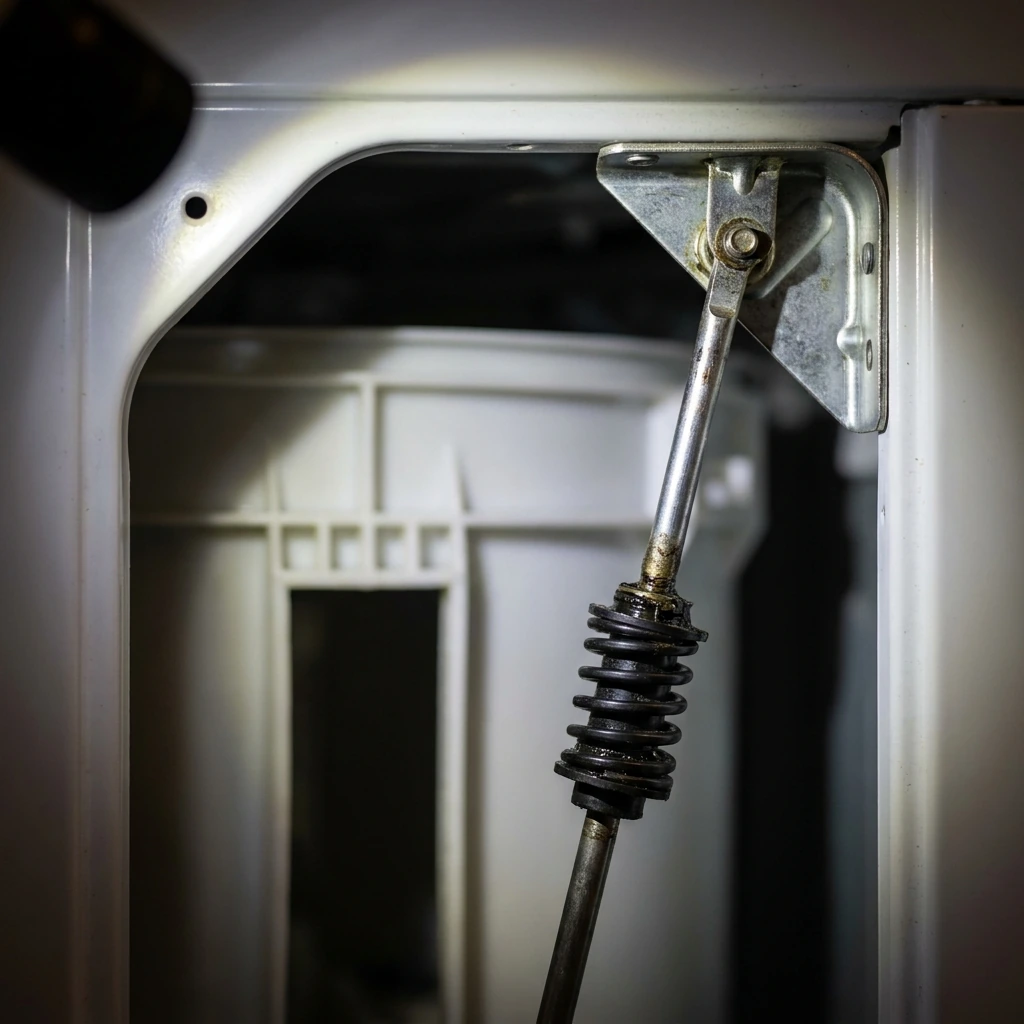
Bangs on spin, walks across the floor, UE or UL on the display. Level, load, transit bolts, suspension rods or shock absorbers.
ShakingWasher error codes
F21, 5E, OE, LE, dL, E41, 4C. What every code means by brand and the part it points to.
Error codesNot Sure Which Problem Page You Need?
Tell us the brand and what the washer is doing. A technician confirms the fault at your home whatever the symptom.
Which washer symptom points to which part?
Each washer symptom points to a short list of parts, and the table below is the map a WRFW technician works from on every washer repair in Fort Worth. The stage of the cycle where the fault appears, the noise the machine makes at that stage, and the code on the display narrow the list before a panel comes off.
| Symptom | Check first | Parts most commonly behind it |
|---|---|---|
| Will not drain | Pump filter, drain hose kink | Drain pump, pump housing blockage, standpipe |
| Will not spin | Standing water, load balance, lid closed | Lid lock, belt, motor coupler, motor sensor, suspension |
| Leaking | Which stage the water appears in | Inlet hose, inlet valve, door boot, pump housing, tub seal |
| Will not start | Outlet, breaker, GFCI, child lock | Lid switch, door lock, line filter, fuse, control board |
| Stops mid cycle | The stage on the display | Drain pump, heater, lock, suspension, control |
| Not filling | Both taps open, inlet screens | Inlet valve, pressure switch, lock, control |
| Smells | Filter, drawer, boot, hot empty cycle | Door boot, pump housing, outer tub, drain hose, trap |
| Shaking | Level, load, transit bolts | Suspension rods, shock absorbers, spider arm, bearing |
| Error code | Reset once, note the code | The part named by the code family |
How does WRFW diagnose a washer problem?
WRFW diagnoses a washer problem by running the machine stage by stage in the brand’s diagnostic mode with the panels off, so the failed part is seen on the machine rather than guessed from the symptom. The symptom narrows the list of parts before the visit. The diagnostic mode drives the pump, the lock, the valves and the motor one at a time and reads the stored fault log. The technician then names the part, describes the repair, and fits it only when you say go ahead. A repair that needs a part that is not carried is confirmed on the first visit and finished when the part arrives.
What should I check before calling about a washer problem?
Before calling about a washer problem, check the outlet and the breaker, open both taps fully, close the lid or door firmly, take half the load out, and note the stage where the machine stopped and any code on the display. Those five checks clear the causes that are not a failed part and give the technician the two facts that narrow the rest: the stage and the code.
Is my washer problem worth repairing?
Almost every washer problem is worth repairing, because the part behind it is a pump, a valve, a lock, a belt, a sensor or a set of suspension rods, and each of those is small next to the price of a new machine. The two faults compared with a new machine are a drum bearing on a front loader past its eighth year and a transmission on a top loader past its tenth. The technician tells you which case you have before any part is ordered.
Service areas
WRFW repairs washers at homes and businesses across Fort Worth and the cities around it. Call and tell us where you are.
- Fort Worth
- Arlington
- Keller
- Grand Prairie
- Southlake
- Grapevine
- Bedford
- Mansfield
Washer brands we repair
Every brand below has its own repair page: the faults that brand gets, the codes it shows and how WRFW repairs it in Fort Worth.






- Hotpoint



- Maytag





WRFW is an independent repair company. All brand names and logos are the property of their respective owners. We are not affiliated with, authorised by, or endorsed by any manufacturer.
Washer Problem Questions
What is the most common washing machine failure?
The most common washing machine failure is a drain fault, because the pump filter and the drain pump handle every coin, hair tie and sock that leaves the drum, and they fail before any other part on most brands. A spin fault is the second most common on top loaders, and a door lock fault the second most common on front loaders. All three are small repairs.
Is it worth fixing a 7 year old washing machine?
Yes, it is worth fixing a seven year old washing machine when the fault is a pump, a valve, a lock, a belt, a sensor or a set of suspension rods, because the machine has years left and each of those parts is small. A drum bearing on a seven year old front loader is the one fault compared with a new machine.
What is the typical lifespan of a washer?
The typical lifespan of a washer is about 10 to 13 years, with front loaders at the lower end because the door boot and the drum bearing wear with every cycle, and Speed Queen and Miele machines at the top because they are built for twenty years. The parts replaced along the way are wear parts that do not shorten the machine’s life.
Can I diagnose a washer problem myself?
Yes, you can diagnose the cause of a washer problem yourself when it is a closed tap, a tripped outlet, a bunched load, a blocked pump filter or a kinked hose, and the symptom pages on this site walk through each check. A fault that survives those checks is a failed part inside the machine, confirmed in diagnostic mode with the panels off.
Why does my washer have more than one problem at once?
A washer has more than one problem at once because the faults are linked: a machine that will not drain will not spin, a drum that sits full starts to smell, and a tub that bangs on spin cracks and leaks. The technician finds the first fault in the chain and repairs it, and the linked symptoms clear with it. One visit covers all of them.
Does the brand change which washer problems are common?
Yes, the brand changes which washer problems are common: LG and Kenmore machines report drain faults most, Maytag reports spin faults, Samsung and Bosch report error codes, and Whirlpool, GE and Frigidaire report a machine that stops working. The washer brands hub carries the table, and each brand page carries that brand’s codes and parts.
Book a Repair for Your Washer Problem in Fort Worth
Tell us the brand and what the washer is doing. A WRFW technician confirms the fault at your home before any repair is agreed.